
Rhythmic Gymnastics Leotards | Training & Competition Guide
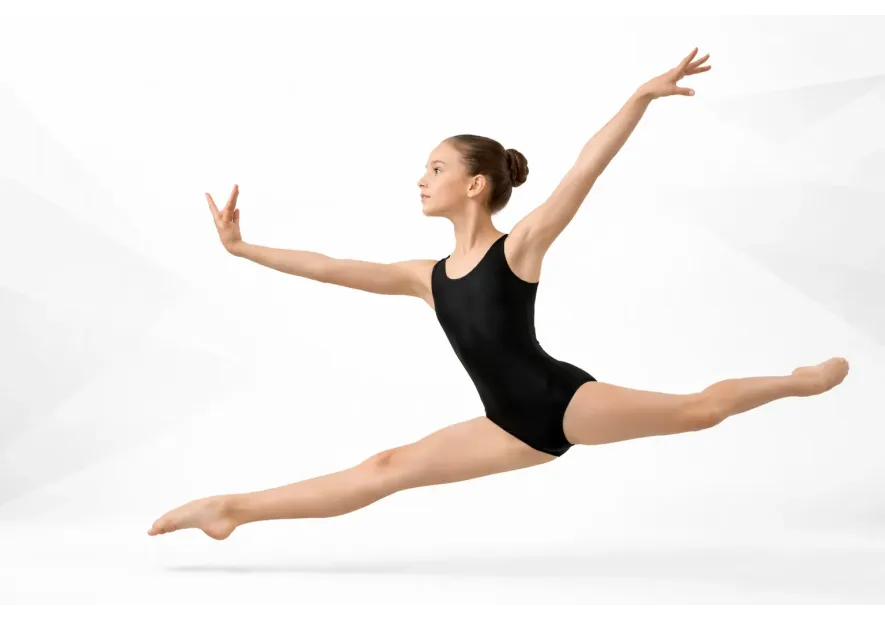
Rhythmic Gymnastics Leotards: How to Choose the Right Leotard for Training and Competition
A rhythmic gymnastics leotard is much more than standard sportswear. It is an essential part of training, movement precision, flexibility, and artistic performance. Whether used during daily practice, ballet classes, stretching sessions, or official FIG competitions, the right leotard helps gymnasts and dancers move comfortably while maintaining elegance and control.
Today, gymnastics leotards are widely used not only in rhythmic gymnastics, but also in ballet, dance, acrobatics, aerobics, and figure skating. Modern designs combine comfort, elasticity, durability, and aesthetics, making leotards one of the most important garments in performance sports.
What Is a Rhythmic Gymnastics Leotard?
A rhythmic gymnastics leotard is a one-piece fitted garment designed to support unrestricted body movement during training and competition routines. Leotards are typically made from flexible and breathable materials such as elastane, biflex, polyamide, microfiber, or cotton blends.
Because rhythmic gymnastics requires flexibility, balance, jumps, pivots, and apparatus handling, a properly fitted leotard allows gymnasts to move naturally without distractions or discomfort.
Leotards are commonly worn for:
* rhythmic gymnastics training
* FIG competitions
* ballet and dance classes
* stretching sessions
* choreography rehearsals
* acrobatics and aerobics
For many athletes, a high-quality leotard becomes part of their confidence and stage presence.
Types of Gymnastics Leotards
Different disciplines and training conditions require different leotard styles. Modern rhythmic gymnastics and dance leotards are available in a wide range of cuts and designs.
Long Sleeve Leotards
Long sleeve leotards are especially popular in rhythmic gymnastics competitions because they create elegant body lines and a polished visual effect during routines. They also provide additional coverage and can feel more comfortable during colder training sessions.
Short Sleeve Leotards
Short sleeve models are one of the most versatile choices for daily practice. They offer freedom of movement while keeping the shoulders partially covered.
Sleeveless and Camisole Leotards
Sleeveless leotards with thin or wide straps are frequently used in ballet and dance training. These designs allow maximum shoulder mobility and help dancers maintain freedom in arm movements.
High Neck and Open Back Styles
Some leotards feature high necklines for additional coverage, while others use open-back designs for a more elegant stage appearance. Competition leotards often combine both aesthetics and functionality to highlight movement during performances.
Training Leotards vs Competition Leotards
Training leotards are usually designed with simplicity and comfort in mind. They focus on durability, flexibility, and everyday use during intensive practice sessions.
Competition leotards are more detailed and decorative. In rhythmic gymnastics, professional competition leotards may include:
* crystals
* mesh inserts
* gradient fabrics
* hand-painted details
* holographic decorations
Competition models must also follow FIG regulations regarding transparency, fit, and overall appearance.
For younger gymnasts and beginners, coaches often recommend starting with simple training leotards before investing in custom competition designs.
How to Choose the Right Gymnastics Leotard
Choosing the correct leotard depends on several important factors.
Fabric Quality
A good rhythmic gymnastics leotard should feel soft, flexible, and breathable. Stretch fabrics help maintain full mobility while supporting repeated movements during training.
High-quality materials also retain elasticity after frequent washing and long-term use.
Proper Fit
A leotard should fit closely to the body without restricting movement. If the garment is too loose, it may shift during routines. If it is too tight, it can become uncomfortable during stretching and jumps.
The ideal fit allows complete freedom while maintaining clean body lines.
Purpose of Use
Different situations may require different styles:
* simple models for everyday training
* elegant styles for ballet classes
* decorative leotards for competitions
* warm-up layers for colder gyms
Understanding the main purpose helps athletes choose the most suitable option.
Sleeve Style and Design
Sleeve length, neckline shape, and overall cut often depend on personal comfort, discipline requirements, and choreography style.
In rhythmic gymnastics, appearance and presentation are part of the performance itself, so many athletes choose styles that complement their routines and apparatus colors.
What Is Worn with a Gymnastics Leotard?
Gymnasts and dancers usually combine leotards with additional training apparel and accessories.
Common options include:
* dance tights
* leggings
* shorts
* warm-up pants
* skirts
* half shoes
* seamless underwear
During warm-up sessions, athletes often wear jackets, sweaters, or warm-up overalls over their leotards to keep muscles warm before practice or competition.
The History of the Leotard
The word “leotard” comes from French acrobat Jules Léotard, who became famous in the 19th century for performing in a fitted one-piece costume. Over time, similar garments became widely used by circus performers, gymnasts, and dancers because they allowed unrestricted movement.
By the mid-20th century, leotards became standard training apparel in ballet schools and gymnastics halls around the world. Choreographers and coaches appreciated their practicality and ability to highlight body lines and technique.
Today, rhythmic gymnastics leotards combine athletic performance with artistic expression, becoming an essential part of modern RG culture.
Why a Quality Leotard Matters
A well-designed gymnastics leotard supports both performance and confidence.
High-quality leotards help athletes:
* move freely during routines
* maintain flexibility and comfort
* improve posture visibility
* feel confident during performances
* withstand intensive daily training
* preserve shape and elasticity over time
For rhythmic gymnasts, dancers, and performers, the right leotard becomes part of both athletic preparation and artistic presentation.
Frequently Asked Questions
Should a gymnastics leotard be tight?
Yes, a gymnastics leotard should fit closely to the body without limiting movement. A proper fit supports flexibility and helps coaches see body positioning clearly during training.
What is the difference between a ballet leotard and a rhythmic gymnastics leotard?
Ballet leotards are usually simpler and focused on training, while rhythmic gymnastics leotards often include brighter colors, decorative details, and competition-specific designs.
What fabrics are best for gymnastics leotards?
Stretch fabrics such as elastane, microfiber, polyamide, and biflex are commonly used because they provide flexibility, durability, and comfort.
Can leotards be used for both training and competition?
Yes, although many athletes prefer separate models for daily practice and official performances.