
Rhythmic Gymnastics Half Shoes | Training & Competition Guide
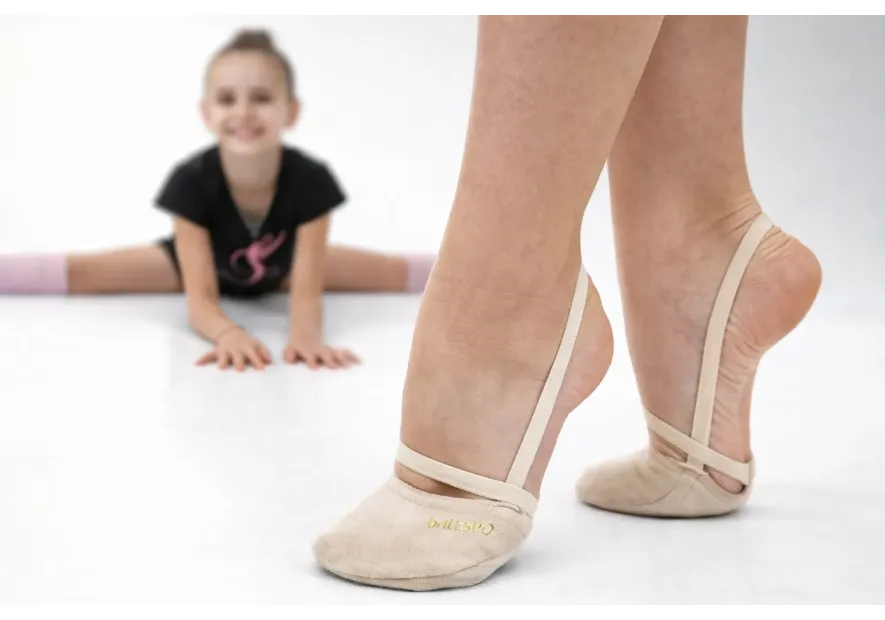
Rhythmic Gymnastics Half Shoes: Comfort, Grip and Performance for Training and Competition
Half shoes are an essential part of rhythmic gymnastics training and performance. Designed to protect the foot while maintaining flexibility and freedom of movement, rhythmic gymnastics half shoes help athletes perform turns, pivots, jumps, balances, and choreography elements with greater precision and comfort.
For gymnasts and dancers, the correct footwear directly affects stability, movement quality, and confidence during routines. Modern half shoes are developed to combine lightweight construction, flexibility, durability, and secure grip while supporting the natural movement of the foot.
Today, rhythmic gymnastics half shoes are widely used during:
* rhythmic gymnastics training
* FIG competitions
* stretching sessions
* ballet preparation
* choreography practice
* dance training
Professional athletes often spend many hours training every week, so comfortable and reliable half shoes become an important part of everyday performance preparation.
What Are Rhythmic Gymnastics Half Shoes?
Rhythmic gymnastics half shoes are lightweight foot coverings designed to protect the front part of the foot while allowing maximum flexibility and floor contact. Unlike traditional dance shoes, half shoes leave the heel open, helping gymnasts maintain better balance, foot articulation, and movement control.
Half shoes are especially important during:
* pivots and turns
* jumps and landings
* balance elements
* apparatus routines
* flexibility exercises
Because rhythmic gymnastics combines technical precision with artistic movement, athletes need footwear that feels secure without limiting motion.
Why Half Shoes Matter in Rhythmic Gymnastics
Proper half shoes help reduce friction between the foot and the floor while supporting smooth movement during routines.
Well-designed rhythmic gymnastics half shoes help athletes:
* improve grip and control
* perform cleaner pivots
* increase comfort during long training sessions
* reduce irritation and friction
* maintain better foot stability
* move more confidently during choreography
For many gymnasts, the right footwear becomes just as important as properly selected apparatus.
Features of Modern Rhythmic Gymnastics Half Shoes
Modern half shoes are designed using advanced materials and construction techniques that improve comfort, flexibility, and durability.
Lightweight and Flexible Construction
Professional half shoes are made from soft and elastic materials that adapt naturally to foot movement. Lightweight designs help athletes move freely while maintaining sensitivity to the floor.
This flexibility is especially important during turns, balances, and complex choreography combinations.
Secure Fit and Silicone Elastic
Many modern models use silicone elastic bands or reinforced straps to keep the half shoes securely in place during movement.
A secure fit helps prevent slipping while improving stability during pivots and jumps.
Flat Seam Technology
Advanced flat seam construction creates a smoother inner surface that helps reduce irritation during training sessions.
This technology is especially useful for gymnasts who train for many hours each week because it minimizes pressure points and discomfort.
Durable Materials for Daily Training
Rhythmic gymnastics half shoes must withstand constant movement, stretching, friction, and repeated floor contact.
High-quality materials help preserve shape and elasticity even after intensive daily use.
How to Choose the Right Half Shoes
Choosing the correct rhythmic gymnastics half shoes depends on comfort, fit, training level, and personal preference.
Proper Fit
Half shoes should fit securely without creating excessive pressure. A model that is too loose may slip during routines, while overly tight shoes may become uncomfortable during long practice sessions.
The correct fit supports freedom of movement while maintaining stability.
Material Quality
Soft, breathable, and flexible materials usually provide the best comfort during rhythmic gymnastics training.
Durable fabrics also help maintain shape after repeated stretching and regular use.
Grip and Floor Control
Good rhythmic gymnastics half shoes provide controlled contact with the floor while allowing smooth pivots and transitions.
Athletes often prefer models that balance grip with easy rotational movement.
Training vs Competition Use
Some gymnasts use separate half shoes for daily practice and official competitions.
Training models typically focus on durability and comfort, while competition footwear may prioritize appearance, precision fit, and lighter construction.
Why Comfort Is Important During Training
Rhythmic gymnasts spend many hours practicing flexibility, apparatus handling, choreography, and body technique. Uncomfortable footwear can quickly become a distraction during long sessions.
Comfortable half shoes help athletes:
* focus on technique
* improve movement precision
* reduce foot fatigue
* maintain concentration during routines
* perform more naturally and confidently
Proper footwear also supports smoother movement transitions during choreography and apparatus elements.
Rhythmic Gymnastics Apparel and Training Essentials
Half shoes are usually combined with other rhythmic gymnastics apparel and accessories designed for training and competition.
Many athletes also use:
Combining comfortable footwear with properly selected training apparel helps improve overall movement quality and performance consistency.
Why Quality Half Shoes Matter
The right rhythmic gymnastics half shoes support both technical performance and athlete confidence.
High-quality footwear helps gymnasts:
* perform smoother pivots and turns
* improve movement control
* reduce discomfort during training
* maintain flexibility and stability
* move more naturally during routines
Because rhythmic gymnastics requires precision, balance, and artistic presentation, every detail of training equipment can influence performance quality.
Frequently Asked Questions
What are half shoes used for in rhythmic gymnastics?
Half shoes protect the front part of the foot while supporting flexibility, pivots, jumps, and smooth movement during routines.
Should rhythmic gymnastics half shoes fit tightly?
Half shoes should fit securely without causing discomfort or excessive pressure during movement.
Are half shoes required for rhythmic gymnastics training?
Most rhythmic gymnasts use half shoes during training and competition because they improve comfort and floor control.
What materials are best for half shoes?
Soft, flexible, and breathable materials are commonly preferred because they provide comfort, durability, and freedom of movement.
Can the same half shoes be used for training and competitions?
Yes, although many athletes prefer separate pairs for daily practice and official performances.