
Rhythmic Gymnastics Guide | Apparatus, Training & Performance
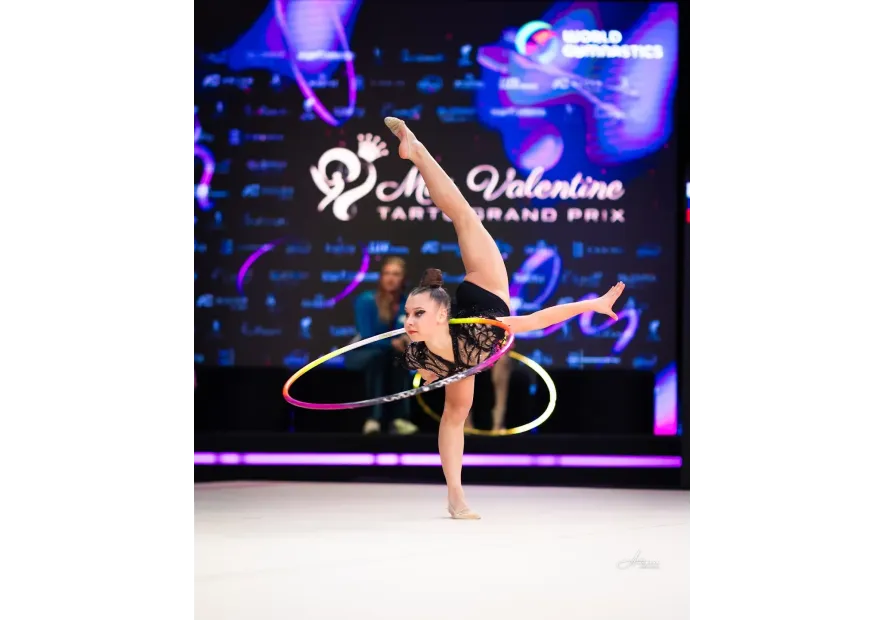
Rhythmic Gymnastics Guide: Apparatus, Training and Performance Essentials
Rhythmic gymnastics is a unique sport that combines athletic technique, flexibility, coordination, balance, and artistic expression. Every routine blends movement with music, transforming technical elements into elegant performances that require both physical preparation and creativity.
Unlike many other sports, rhythmic gymnastics focuses not only on strength and precision, but also on grace, presentation, and body control. Athletes perform routines using specialized apparatus while demonstrating flexibility, coordination, balance, and musical interpretation.
Today, rhythmic gymnastics is practiced worldwide by athletes of all ages, from beginners attending their first training sessions to professional gymnasts competing in international FIG tournaments.
What Is Rhythmic Gymnastics?
Rhythmic gymnastics is a discipline that combines dance, gymnastics, flexibility, and apparatus handling into choreographed routines performed to music. Athletes perform individual or group exercises using different rhythmic gymnastics apparatus while maintaining synchronization, precision, and artistic presentation.
Modern rhythmic gymnastics includes:
* jumps and leaps
* balances
* pivots
* flexibility elements
* apparatus throws and catches
* dance choreography
* acrobatic movements
Because routines require both technical and artistic skills, gymnasts spend years developing flexibility, coordination, posture, and movement quality.
Rhythmic gymnastics training usually begins at a young age, helping athletes improve discipline, body awareness, musicality, and confidence.
Rhythmic Gymnastics Apparatus
Professional routines are performed using five main types of apparatus. Each apparatus requires different technical skills and movement control.
Rhythmic Gymnastics Ribbons
Rhythmic gymnastics ribbons are known for their flowing movement and elegant visual effect during routines. Ribbon exercises require smooth arm coordination, clean spirals, throws, and continuous movement patterns.
Professional gymnasts often use FIG-approved ribbons designed for balanced movement and consistent performance during training and competitions.
Rhythmic Gymnastics Balls
Rhythmic gymnastics balls are used for rolls, balances, rebounds, and dynamic throws. Ball routines emphasize fluidity, body coordination, and apparatus control.
The correct ball size and material help athletes improve grip, precision, and movement consistency during routines.
Rhythmic Gymnastics Hoops
Rhythmic gymnastics hoops are used for rotations, rolls, jumps, and large apparatus throws. Hoop routines combine technical precision with dynamic body movement and spatial awareness.
Professional hoops are selected based on size, balance, flexibility, and FIG competition standards.
Rhythmic Gymnastics Clubs
Rhythmic gymnastics clubs require excellent coordination and timing. Gymnasts perform mills, throws, catches, and synchronized movements that demand high concentration and apparatus control.
Club exercises are considered some of the most technically challenging routines in rhythmic gymnastics.
Rhythmic Gymnastics Ropes
Rhythmic gymnastics ropes are used for jumps, rotations, swings, and speed-based elements. Rope routines develop rhythm, coordination, endurance, and movement precision.
The correct rope length is important for comfortable handling and technical accuracy during training and performance.
Training and Flexibility in Rhythmic Gymnastics
Flexibility is one of the most important components of rhythmic gymnastics. Athletes spend many hours improving splits, back flexibility, posture, balance, and body control.
Training sessions often include:
* stretching exercises
* apparatus technique
* dance choreography
* ballet preparation
* strength and conditioning
* coordination drills
Proper preparation helps gymnasts perform routines more safely and efficiently while improving movement quality and execution scores.
Consistency is especially important in rhythmic gymnastics because flexibility, apparatus handling, and coordination develop gradually over time.
Leotardsand Rhythmic Gymnastics Apparel
Appropriate apparel plays an important role in both comfort and performance. Professional rhythmic gymnastics leotards are designed to support movement while maintaining elegance and presentation during routines.
Training leotards usually focus on comfort, flexibility, and durability, while competition leotards often include decorative details, crystals, gradient fabrics, and artistic designs.
Gymnasts also commonly use:
rhythmic-gymnastics-half-shoes
Comfortable training apparel allows athletes to focus fully on technique, posture, and apparatus control during practice.
Why Quality Equipment Matters
High-quality rhythmic gymnastics equipment helps athletes improve confidence, movement precision, and technical consistency.
Professional apparatus provides:
* better balance and grip
* improved control during routines
* stable movement patterns
* reliable performance during competitions
* increased comfort during training
Using properly selected apparatus also helps gymnasts develop cleaner technique and stronger apparatus familiarity over time.
For competitive athletes, FIG-approved apparatus is especially important for meeting international competition standards.
The Artistic Side of Rhythmic Gymnastics
Rhythmic gymnastics is not only about technical difficulty. Artistic expression, choreography, musical interpretation, and presentation are equally important parts of performance.
Every gymnast develops a personal style through movement, costume design, apparatus choice, and choreography. This combination of sport and artistry is one of the reasons rhythmic gymnastics remains unique among athletic disciplines.
The ability to combine elegance with technical precision is what makes rhythmic gymnastics visually distinctive and inspiring for athletes and audiences alike.
Frequently Asked Questions
What equipment is used in rhythmic gymnastics?
Rhythmic gymnastics uses five main apparatus types: ribbons, balls, hoops, clubs, and ropes.
At what age can children start rhythmic gymnastics?
Many gymnasts begin training between the ages of 4 and 7, although beginner classes are available for various age groups.
Why is flexibility important in rhythmic gymnastics?
Flexibility helps athletes perform jumps, balances, pivots, and body elements safely and with better movement quality.
What do rhythmic gymnasts wear during training?
Gymnasts typically wear leotards, leggings, tights, warm-up wear, and half shoes during training sessions.
Are FIG-approved apparatus required for competitions?
Official FIG competitions require apparatus that meets international rhythmic gymnastics standards and regulations.