
Rhythmic Gymnastics Ball Guide | Sizes, Grip & FIG Standards
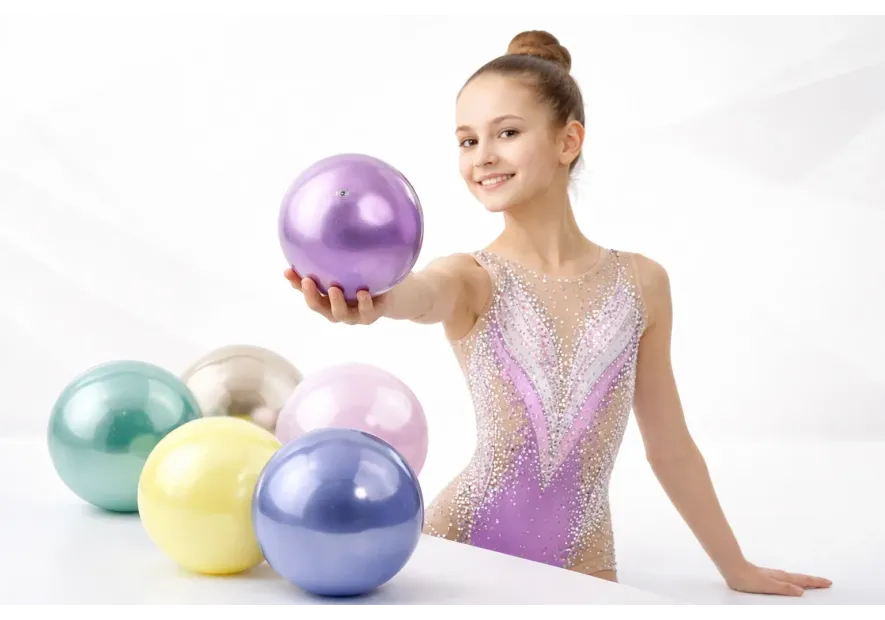
Rhythmic Gymnastics Ball Guide: How to Choose the Right Ball for Training and Competition
A rhythmic gymnastics ball is one of the most important pieces of apparatus used in RG training and competition. The right ball helps gymnasts improve control, coordination, balance, and movement precision during routines. Because every exercise involves throws, rolls, rebounds, and body coordination, choosing the correct ball directly affects comfort, confidence, and overall performance.
Whether you are a beginner starting rhythmic gymnastics or an advanced athlete preparing for FIG competitions, understanding ball size, material, grip, and maintenance is essential for long-term training success.
What Is a Rhythmic Gymnastics Ball?
A rhythmic gymnastics ball is a flexible spherical apparatus used in rhythmic gymnastics routines and training sessions. Unlike ordinary sports balls, RG balls are specifically designed to provide smooth movement, controlled rebounds, and secure handling during complex apparatus elements.
During routines, gymnasts perform:
* rolls across the body
* throws and catches
* figure-eight movements
* rebounds
* balances
* coordinated apparatus transitions
Because the ball constantly interacts with the gymnast’s hands, arms, and body, its texture, softness, and grip are extremely important.
Professional rhythmic gymnastics balls are commonly used for:
* daily RG training
* beginner gymnastics classes
* FIG competitions
* choreography practice
* flexibility and coordination exercises
How to Choose the Right Rhythmic Gymnastics Ball
Choosing the correct rhythmic gymnastics ball depends on several important factors, including age, height, hand size, training level, and competition requirements.
A ball should feel comfortable in the gymnast’s hand without creating tension during movement. If the ball is too large or too heavy, apparatus handling becomes difficult, especially for younger athletes.
The right gymnastics ball helps improve:
* grip control
* movement precision
* apparatus confidence
* throw accuracy
* balance during routines
Coaches often recommend testing several models before choosing the most comfortable option.
What Size Gymnastics Ball Should You Use?
Rhythmic gymnastics balls are available in different diameters depending on the gymnast’s age and skill level.
Common sizes include:
* 16 cm
* 17 cm
* 18–18.5 cm
Smaller balls are generally recommended for younger gymnasts and beginners, while larger FIG-approved balls are used by advanced athletes and senior competitors.
A properly sized ball should rest naturally in the palm while allowing smooth figure-eight movements and controlled catches.
For international rhythmic gymnastics competitions, athletes aged 15 and older typically use FIG-approved apparatus that meets official standards.
Best Materials for Rhythmic Gymnastics Balls
The material of a gymnastics ball strongly influences grip, bounce quality, and comfort during routines.
Rubber Gymnastics Balls
Rubber balls are considered the professional standard in rhythmic gymnastics because they provide:
* soft grip
* controlled bounce
* better apparatus handling
* improved surface control
High-quality rubber balls usually feel slightly sticky, helping gymnasts maintain secure contact during throws and balances.
Synthetic Material Balls
Some beginner models are made from synthetic materials that focus on durability and easier maintenance. These balls are often suitable for younger gymnasts during early training stages.
However, advanced athletes usually prefer professional rubber apparatus for improved precision and responsiveness.
Why Grip and Balance Matter
A rhythmic gymnastics ball should bounce evenly and remain stable during movement. Poorly balanced balls may bounce sideways or feel unpredictable during routines, making apparatus control more difficult.
Grip is equally important. During RG exercises, gymnasts constantly perform rotations, catches, and rolling movements, so the ball surface should feel secure without slipping excessively.
Many coaches and athletes prefer trusted rhythmic gymnastics brands such as:
* SASAKI
* CHACOTT
These brands are widely used in professional rhythmic gymnastics training and FIG competitions.
How to Inflate a Gymnastics Ball Properly
Correct inflation is essential for maintaining the shape and performance of a rhythmic gymnastics ball.
A special pump with a rounded needle should always be used to protect the valve from damage. Before inflation, the needle is usually slightly moistened to reduce friction.
The ball should be inflated gradually until it feels soft but properly rounded. Overinflation may deform the apparatus and negatively affect bounce quality and grip control.
A properly inflated ball should:
* bounce evenly
* remain flexible
* feel comfortable during catches
* maintain stable movement during routines
Checking air pressure regularly helps preserve performance consistency.
How to Store and Protect a Rhythmic Gymnastics Ball
Proper storage helps extend the lifespan of rhythmic gymnastics apparatus.
Protective ball holders and covers help:
* prevent scratches
* maintain shape
* protect the surface
* keep the ball clean during transport
Temperature also affects apparatus condition. Exposure to cold environments may reduce air pressure and impact flexibility, while excessive heat may damage the surface material.
To maintain quality, gymnasts should avoid storing balls near heaters, direct sunlight, or freezing temperatures.
Training Balls vs Competition Balls
Training balls are often selected for durability and comfort during everyday practice. Some gymnasts prefer slightly softer models while learning apparatus basics and coordination.
Competition balls focus more on:
* visual presentation
* FIG standards
* grip precision
* movement consistency
* professional performance quality
Advanced rhythmic gymnastsfrequently use competition-level apparatus during training to improve familiarity before events and tournaments.
Why the Right Gymnastics Ball Matters
A high-quality rhythmic gymnastics ball improves both technical development and confidence during routines.
The correct apparatus helps gymnasts:
* perform cleaner throws and catches
* improve coordination
* increase movement precision
* develop stronger apparatus control
* feel more confident during performances
Because rhythmic gymnastics combines athletic technique with artistry, comfortable apparatus handling becomes an important part of overall presentation and execution.
Frequently Asked Questions
What size rhythmic gymnastics ball should beginners use?
Beginners usually start with smaller balls, such as 16 cm or 17 cm models, depending on age and hand size.
Are FIG-approved balls required for competitions?
Yes. Official FIG competitions require apparatus that meets international rhythmic gymnastics standards.
How soft should a gymnastics ball feel?
A rhythmic gymnastics ball should feel slightly soft while maintaining a stable round shape and controlled bounce.
What material is best for a rhythmic gymnastics ball?
Professional gymnasts typically prefer rubber balls because they provide better grip, balance, and apparatus control.
How do you clean a gymnastics ball?
A soft microfiber cloth and gentle cleaning products are usually recommended to maintain the surface without damaging the material.