
How to Choose Rhythmic Gymnastics Clubs | Sizes & Materials Guide
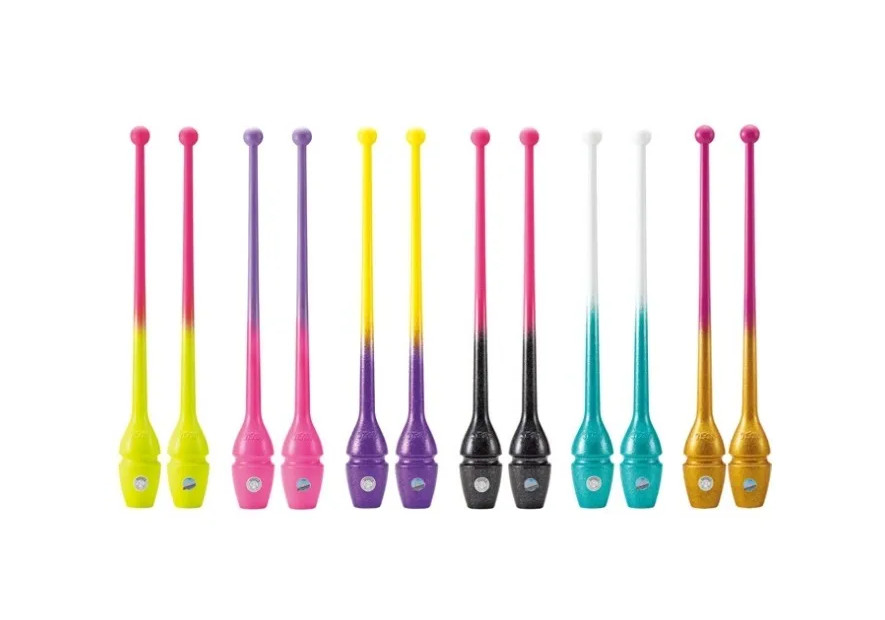
How to Choose Rhythmic Gymnastics Clubs
Rhythmic gymnastics clubs are one of the most technical apparatus used in modern rhythmic gymnastics. Club routines require coordination, timing, precision, rhythm, and excellent apparatus control. Because athletes constantly perform throws, mills, catches, and synchronized movements, choosing the correct clubs plays an important role in both training quality and competition performance.
The right rhythmic gymnastics clubs help gymnasts improve movement consistency, feel more comfortable during routines, and develop stronger apparatus confidence. Size, weight, material, balance, and grip all influence how the clubs move during exercises and choreography.
Whether you are selecting clubs for a beginner gymnast or preparing for FIG competitions, understanding how to choose the correct rhythmic gymnastics clubs can significantly improve training and performance.
Why Choosing the Right Clubs Matters
In rhythmic gymnastics, clubs are used for:
* throws and catches
* mills
* rotations
* asymmetrical movements
* coordination exercises
* synchronized apparatus combinations
Because club routines involve continuous movement and precise timing, poorly balanced or incorrectly sized clubs may make routines more difficult and uncomfortable.
Properly selected clubs help athletes:
* improve control and coordination
* perform cleaner throws
* increase movement precision
* reduce discomfort during practice
* develop stronger apparatus confidence
Professional rhythmic gymnastics clubs designed for training and competition help gymnasts maintain consistency during complex routines and technical elements.
Choosing the Correct Size of Gymnastics Clubs
Selecting the correct club size is especially important for comfort and movement control.
Rhythmic gymnastics clubs are commonly available in several standard lengths:
* 36 cm clubs for younger children and beginners
* 40–41 cm clubs for intermediate gymnasts
* 44–45 cm clubs for teenagers and advanced athletes
The correct club length depends mainly on:
* gymnast height
* arm length
* training level
* age category
* competition requirements
Younger gymnasts often feel more comfortable using shorter and lighter clubs because they are easier to control during basic exercises and early coordination training.
Older and more experienced athletes usually train with standard-size clubs designed for advanced technical routines and FIG competition requirements.
Materials: Rubber or Plastic?
Modern rhythmic gymnastics clubs are typically produced from rubber, plastic, or hybrid materials that combine both.
The material strongly affects:
* grip feel
* weight balance
* shock absorption
* durability
* movement control
Rubber Rhythmic Gymnastics Clubs
Rubber clubs are currently the preferred option for most rhythmic gymnasts and coaches.
High-quality rubber clubs usually provide:
* softer impact during catches
* improved grip
* better shock absorption
* more comfortable handling
* increased control during throws
Because they are less slippery and more forgiving during training, rubber clubs are especially popular among beginners and younger athletes.
Professional rubber clubs are also widely used during FIG competitions and advanced rhythmic gymnastics routines.
Plastic Gymnastics Clubs
Plastic clubs are lighter and often used for beginner training or introductory gymnastics classes.
Although plastic models can still be useful for early practice, many gymnasts eventually transition to rubber clubs because they provide better balance and apparatus control during more difficult technical elements.
FIG-Approved Clubs for Competition
For official international rhythmic gymnastics competitions, athletes aged 15 and older typically use FIG-approved apparatus.
FIG-approved clubs are designed to meet international standards for:
* weight
* balance
* dimensions
* safety
* performance quality
Using professional apparatus helps gymnasts prepare more effectively for competitions while maintaining consistency during routines.
Many advanced athletes prefer training with competition-level apparatus before events and tournaments.
Popular Rhythmic Gymnastics Club Brands
Many coaches and gymnasts choose trusted rhythmic gymnastics brands known for reliable balance, durability, and competition-quality apparatus.
Popular brands include:
* SASAKI
* VENTURELLI
* PASTORELLI
* CHACOTT
* AMAYA
Professional rhythmic gymnastics brands often produce apparatus designed specifically for intensive training and FIG-level competition routines.
Care and Storage Tips
Proper apparatus care helps extend the lifespan of rhythmic gymnastics clubs and maintain performance quality over time.
To protect clubs during training and transport:
* store them in protective holders or bags
* keep them clean after practice
* avoid unnecessary impacts or scratches
* protect the surface from excessive heat or moisture
Using <a href="/holders-bags/">gymnastics holders and bags</a> helps prevent damage while keeping apparatus organized and ready for training sessions.
Decoration and Personalization
Rhythmic gymnastics combines athletic performance with artistic presentation, so many gymnasts personalize their clubs to match choreography themes, leotards, or competition routines.
Clubs can be decorated using:
* colored decorative tape
* holographic finishes
* metallic designs
* acrylic paint details
Many athletes also apply transparent protective tape over decorative layers to improve durability during training and performances.
Decorative customization allows gymnasts to create unique apparatus designs while maintaining a polished competition appearance.
Rhythmic Gymnastics Training Essentials
In addition to clubs, gymnasts also use apparel and accessories designed to support flexibility, coordination, and movement quality during training.
Many athletes train with:
* rhythmic gymnastics leotard
* rhythmic-gymnastics-half-shoes
* warm-up wear
* rhythmic gymnastics apparatus
Comfortable training equipment helps athletes focus more effectively on technique, choreography, and apparatus handling.
Frequently Asked Questions
What size clubs should beginners use?
Beginners and younger gymnasts usually start with smaller clubs, such as 36 cm models, because they are lighter and easier to control.
Are rubber clubs better than plastic clubs?
Many coaches prefer rubber clubs because they provide better grip, softer impact, and improved apparatus control during routines.
What clubs are used in FIG competitions?
Official FIG competitions require apparatus that meets international rhythmic gymnastics standards and regulations.
How do you decorate rhythmic gymnastics clubs?
Gymnasts often decorate clubs using colored tape, holographic finishes, metallic designs, or acrylic paint details.
How should rhythmic gymnastics clubs be stored?
Clubs should be stored in protective holders or bags away from excessive heat, moisture, and hard impacts.