
How to Choose Rhythmic Gymnastics Apparatus | Rope & Hoop Guide
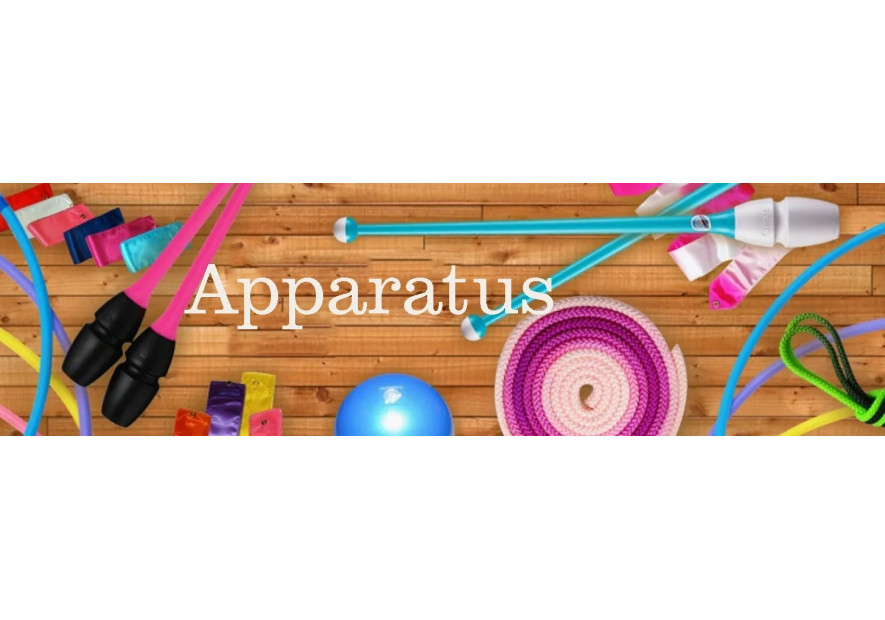
How to Choose the Right Rhythmic Gymnastics Rope and Hoop
Choosing the correct rhythmic gymnastics apparatus is an important part of both training and competition preparation. A properly selected rope or hoop helps gymnasts improve control, coordination, movement precision, and overall confidence during routines.
In rhythmic gymnastics, apparatus is not only a technical tool but also part of the athlete’s artistic presentation. The correct size, weight, flexibility, and appearance all influence comfort, safety, and performance quality.
Whether you are a beginner learning basic movements or an advanced gymnast preparing for FIG competitions, understanding how to choose and maintain rhythmic gymnastics ropes and hoops can significantly improve training results.
Why Apparatus Selection Matters
Every rhythmic gymnastics routine depends on precise apparatus handling. If a rope is too long or a hoop is the wrong size, movement control becomes more difficult and technical execution may suffer.
Proper apparatus helps gymnasts:
* improve coordination
* develop cleaner technique
* perform smoother apparatus handling
* increase confidence during routines
* reduce discomfort during training
* improve overall performance quality
Because rhythmic gymnastics combines athletic technique with artistry, the right apparatus should feel comfortable while supporting freedom of movement.
Professional gymnasts often train with FIG-approved apparatus before competitions to maintain consistency and improve technical precision during routines.
How to Choose a Rhythmic Gymnastics Rope
Rhythmic gymnastics ropes are used for jumps, swings, rotations, throws, and speed-based exercises. Rope routines require coordination, rhythm, timing, and precision.
Different ropes vary in:
* material
* flexibility
* thickness
* weight
* softness
* grip feel
Some ropes are softer and lighter, making them more comfortable for younger gymnasts and beginners. Professional athletes often prefer ropes with more stability and responsiveness during advanced routines.
Rope Materials and Grip Feel
Most rhythmic gymnastics ropes are made from nylon or synthetic fibers designed to balance flexibility, softness, and durability.
Softer ropes are often easier for beginners because they feel lighter and more forgiving during movement. More experienced athletes may prefer denser ropes that provide slightly stronger feedback and more controlled rotations during fast routines.
Grip feel is also important. A rope should feel comfortable in the hands without becoming slippery during intensive training sessions.
How to Measure the Correct Rope Length
Correct rope length is essential for comfortable and safe apparatus handling.
A common method for measuring rope length is:
1. Place the center of the rope under both feet.
2. Pull the rope ends upward along the body.
3. The ends should reach approximately the gymnast’s armpits or shoulders.
4. Tie knots at both ends at the correct length.
5. Test the rope during basic jumps and swings.
If necessary, excess rope can be carefully trimmed and sealed to prevent unraveling.
The proper rope length helps athletes improve rhythm, coordination, and apparatus control during routines.
Rope Care and Storage
Proper storage helps maintain rope quality and durability over time.
To keep rhythmic gymnastics ropes in good condition:
* store them in a rope bag or holder
* avoid excessive moisture
* keep ropes clean after training
* prevent tangling during transport
Well-maintained apparatus usually performs more consistently and lasts longer during intensive practice.
How to Choose a Rhythmic Gymnastics Hoop
Rhythmic gymnastics hoops are used for rolls, rotations, throws, balances, and dynamic movement combinations. Hoop routines require precision, spatial awareness, flexibility, and coordination.
Choosing the correct hoop size is important for comfortable movement and technical accuracy.
Choosing the Correct Hoop Size
Rhythmic gymnastics hoops are available in different diameters depending on the gymnast’s height and training level.
A common recommendation is to measure from the floor to approximately hip or navel height. This measurement helps determine a comfortable hoop diameter for movement and apparatus handling.
Smaller hoops are generally easier for younger gymnasts, while older and taller athletes usually require larger apparatus for competition routines.
Professional gymnasts often use FIG-approved hoops that meet official competition standards.
Hoop Decoration and Appearance
In rhythmic gymnastics, apparatus appearance is part of the artistic presentation. Many gymnasts decorate hoops to match their leotards, choreography themes, or music style.
Hoops are commonly decorated using:
* colored hoop tape
* holographic tape
* metallic finishes
* decorative patterns
Transparent protective tape is often added over decorative layers to improve durability during training and performances.
Hoop tape helps gymnasts personalize apparatus while protecting the hoop surface from scratches and wear.
Hoop Storage and Protection
Proper storage helps hoops maintain their shape and performance quality.
To protect rhythmic gymnastics hoops:
* store hoops flat when possible
* use hoop bags or holders
* avoid placing heavy objects on top
* protect the hoop from extreme temperatures
Incorrect storage may deform the apparatus and negatively affect movement consistency during routines.
Choosing Rope and Hoop for Beginners
Beginner gymnasts usually benefit from softer and lighter apparatus that is easier to control during early training stages.
For beginers:
* softer ropes are often easier to handle
* smaller hoops may improve coordination
* lightweight apparatus can reduce fatigue
* comfortable grip helps build confidence
Coaches often recommend starting with apparatus that prioritizes comfort and movement control before transitioning to professional competition models.
Learning correct technique with properly sized apparatus helps athletes develop stronger coordination and cleaner movement habits over time.
Popular Rhythmic Gymnastics Rope and Hoop Brands
Many gymnasts and coaches prefer trusted rhythmic gymnastics brands known for quality materials, durability, and reliable performance.
Popular brands include:
* SASAKI
* Pastorelli
* Venturelli
* CHACOTT
Professional rhythmic gymnastics brands often produce FIG-approved apparatus designed for advanced training and competition routines.
Why Quality Apparatus Matters
High-quality rhythmic gymnastics apparatus helps athletes perform more confidently and consistently during training and competition.
Professional apparatus improves:
* movement precision
* grip and control
* apparatus balance
* routine consistency
* athlete confidence
Because rhythmic gymnastics requires constant apparatus handling, even small differences in weight, flexibility, or balance can affect performance quality.
Many competitive athletes prefer professional apparatus designed specifically for rhythmic gymnastics training and FIG competitions.
Rhythmic Gymnastics Training Essentials
In addition to apparatus, gymnasts also rely on comfortable training apparel and accessories that support flexibility and movement quality.
Many athletes use:
* rhythmic gymnastics leotards
* rhythmic-gymnastics-half-shoes
Properly selected equipment and apparel help athletes focus fully on choreography, body technique, and apparatus handling.
Frequently Asked Questions
How long should a rhythmic gymnastics rope be?
The rope should generally reach the gymnast’s shoulders or armpits when standing on the center of the rope with both feet.
What size hoop is best for rhythmic gymnastics?
Hoop size depends mainly on the gymnast’s height and body proportions. The hoop usually reaches approximately hip or navel height.
Why do gymnasts decorate hoops with tape?
Decorative hoop tape improves appearance, matches choreography themes, and helps protect the hoop surface.
How should rhythmic gymnastics apparatus be stored?
Ropes, hoops, and other apparatus should be stored in protective bags or holders away from excessive heat, moisture, and pressure.
Are FIG-approved hoops and ropes required for competitions?
Official FIG competitions require apparatus that meets international rhythmic gymnastics standards and regulations.